You know the feeling before you have a word for it. The Sunday-night dread. The inbox that never quite empties. The sense that you’re managing everything and present for nothing. For a lot of accomplished women, burnout doesn’t announce itself — it accumulates, quietly, under a load that includes the job, the home, the family, and the invisible work of keeping it all running.
Here’s what’s worth knowing: what you’re feeling is real, it has a name, and there is a growing body of science on how to recover from it. This is a look at what the research actually says about burnout and rest — and why a few quiet days on the Northern California coast may do more than an ordinary vacation ever could.
Burnout is real — and it isn’t a character flaw
In 2019, the World Health Organization formally defined burnout in its International Classification of Diseases as an occupational phenomenon — “a syndrome conceptualized as resulting from chronic workplace stress that has not been successfully managed,” with three dimensions: exhaustion, mental distance or cynicism about your work, and reduced professional efficacy (WHO, 2019). The operative phrase is chronic stress that hasn’t been managed. Burnout is the body’s response to a sustained mismatch between demands and resources — not a sign that you’re weak or doing it wrong.
It also isn’t evenly distributed. Surveys consistently find that women report burnout at higher rates than men; in one large 2024 workplace survey, 59% of women said they were burned out, compared with 46% of men. The reasons are largely structural — the double shift, the mental load, the always-on expectations — and they land hardest on the women who tend to be the last to ask for a break.
Why a vacation helps — and a reset helps more
Time off matters. Researchers have even measured a “vacation effect”: in one study, people who spent a week at a resort showed improvements in stress-related biology — and those who added a meditation retreat on top held on to more of the benefits afterward (Epel et al., 2016). A separate study of a week-long residential retreat found significant improvements across psychological and physical health measures that were still present six weeks later (Cohen et al., 2017). A systematic review of residential retreats reached the same broad conclusion: real, measurable benefits, often lasting well after people return home (Naidoo et al., 2018).
The difference is intention. A vacation distracts you from stress. A wellness retreat is designed to reset the system underneath it — which is why the benefits tend to last longer.
What actually resets you — the science of recovery
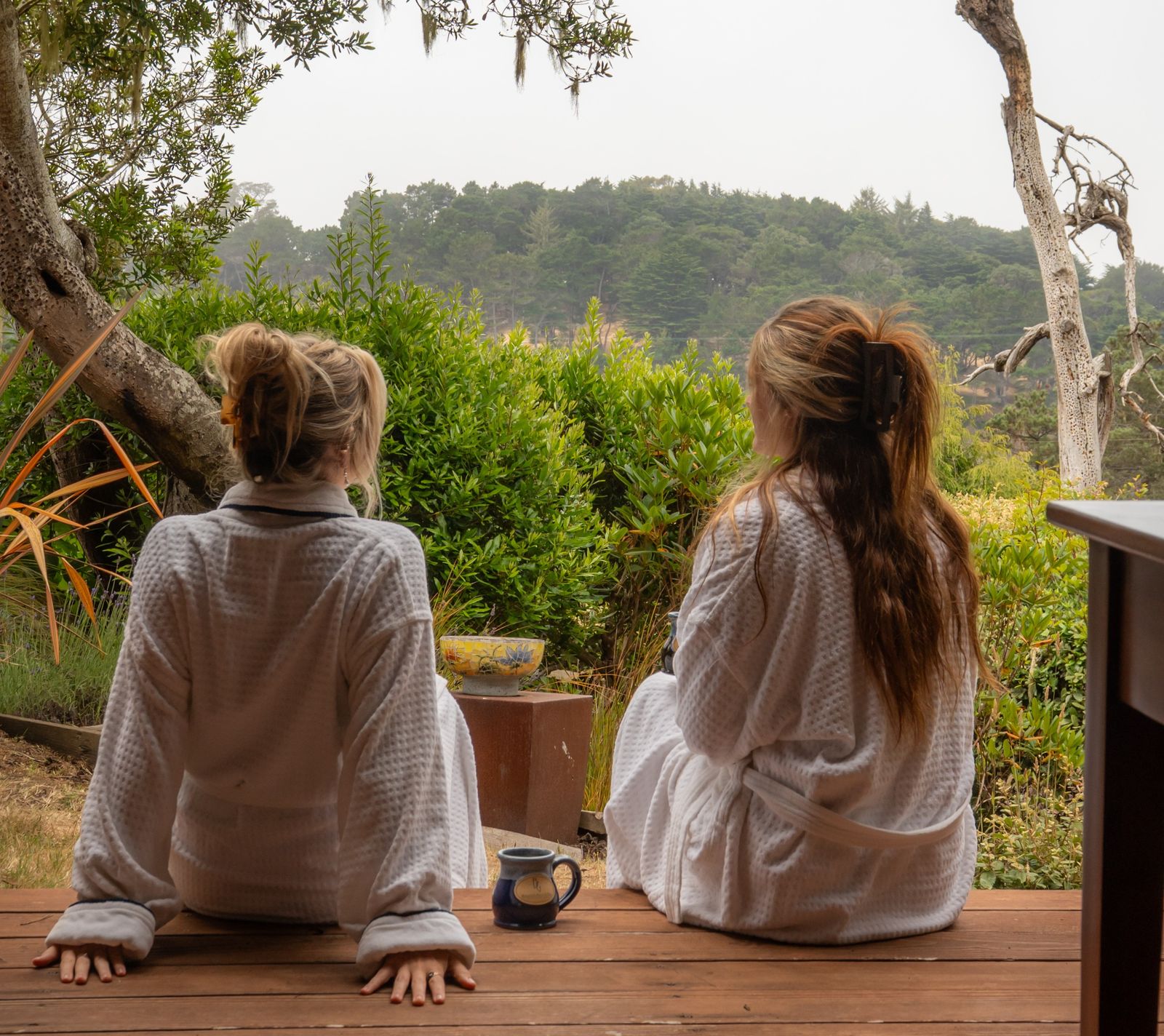
Strip the wellness industry down to what has actually been measured, and a few things stand out. The good news: they’re simple, and most of them are free.
Time in nature — and there’s a dose
In a study of nearly 20,000 people, spending at least 120 minutes a week in nature was consistently associated with better health and well-being — with little benefit below that threshold and the effect peaking around two to five hours a week (White et al., 2019). Two hours a week. That’s close to a prescription.
Forest air lowers the stress hormone
The Japanese practice of shinrin-yoku — “forest bathing,” or simply spending slow, attentive time among trees — has been studied for decades. A meta-analysis found that people who spent time in forests had significantly lower levels of cortisol, the body’s primary stress hormone, than those in urban settings, with short forest exposure lowering cortisol by roughly 12 to 18 percent (Antonelli et al., 2019). Forest environments have also been shown to shift the nervous system toward its “rest and digest” state — calming the fight-or-flight response that burnout keeps switched on.
Disconnection and sleep
Chronic, always-on stress holds the body in a low-grade fight-or-flight state and erodes sleep — and poor sleep feeds the exhaustion at the core of burnout. Stepping away from screens and demands, even briefly, gives the nervous system permission to stand down. In retreat studies, better sleep is often the very first thing people notice, within a day or two.
Why nature, specifically, restores you
Two long-standing frameworks help explain the effect. Attention Restoration Theory holds that natural settings replenish the depleted, over-directed attention that modern work demands (Kaplan & Kaplan, 1989). Stress Reduction Theory finds that simply viewing natural scenes can lower physiological stress within minutes (Ulrich et al., 1991). Put plainly: your brain recovers in a forest in a way it can’t at a desk.
Why the Mendocino coast — and Brewery Gulch Inn — is built for this
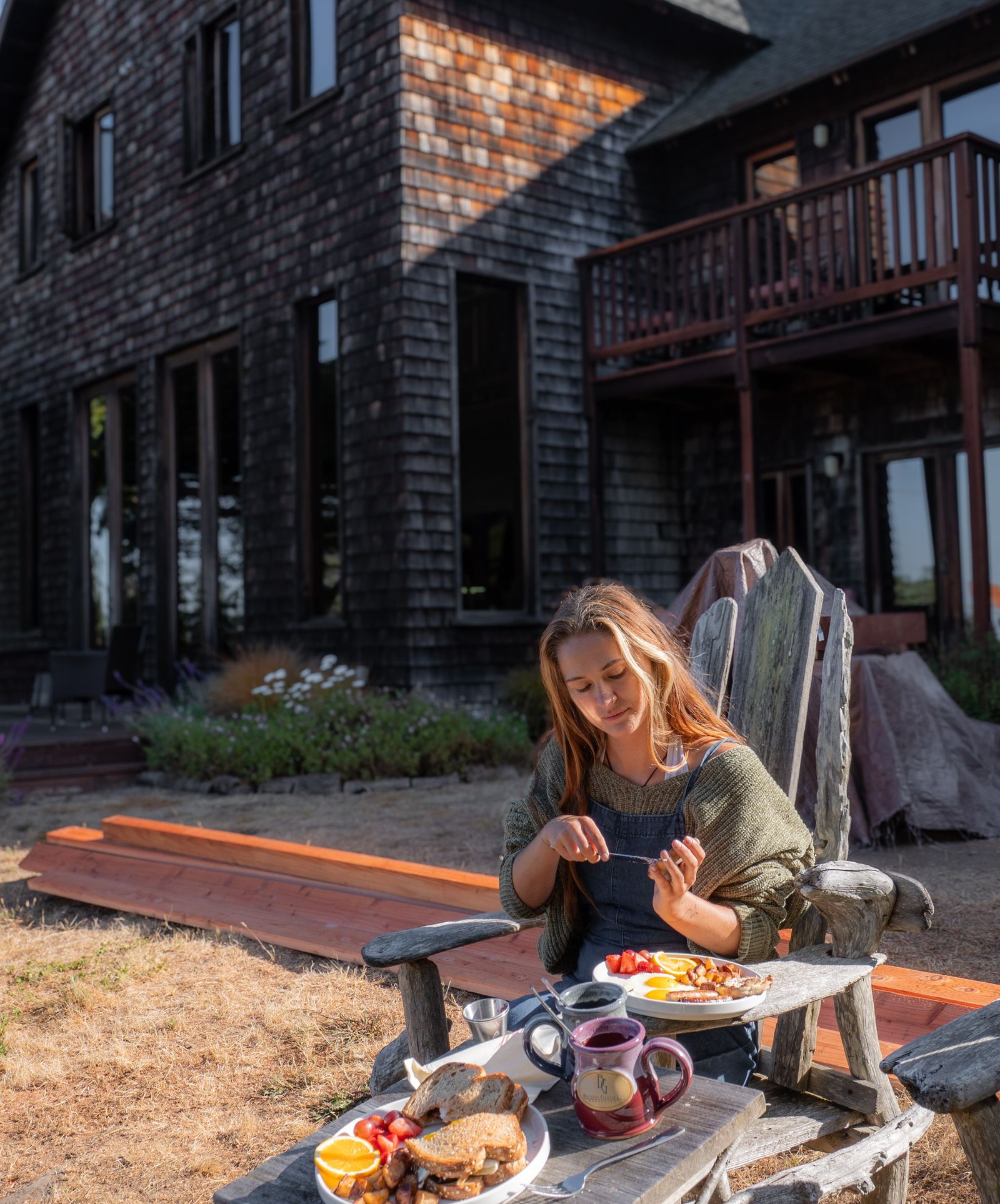
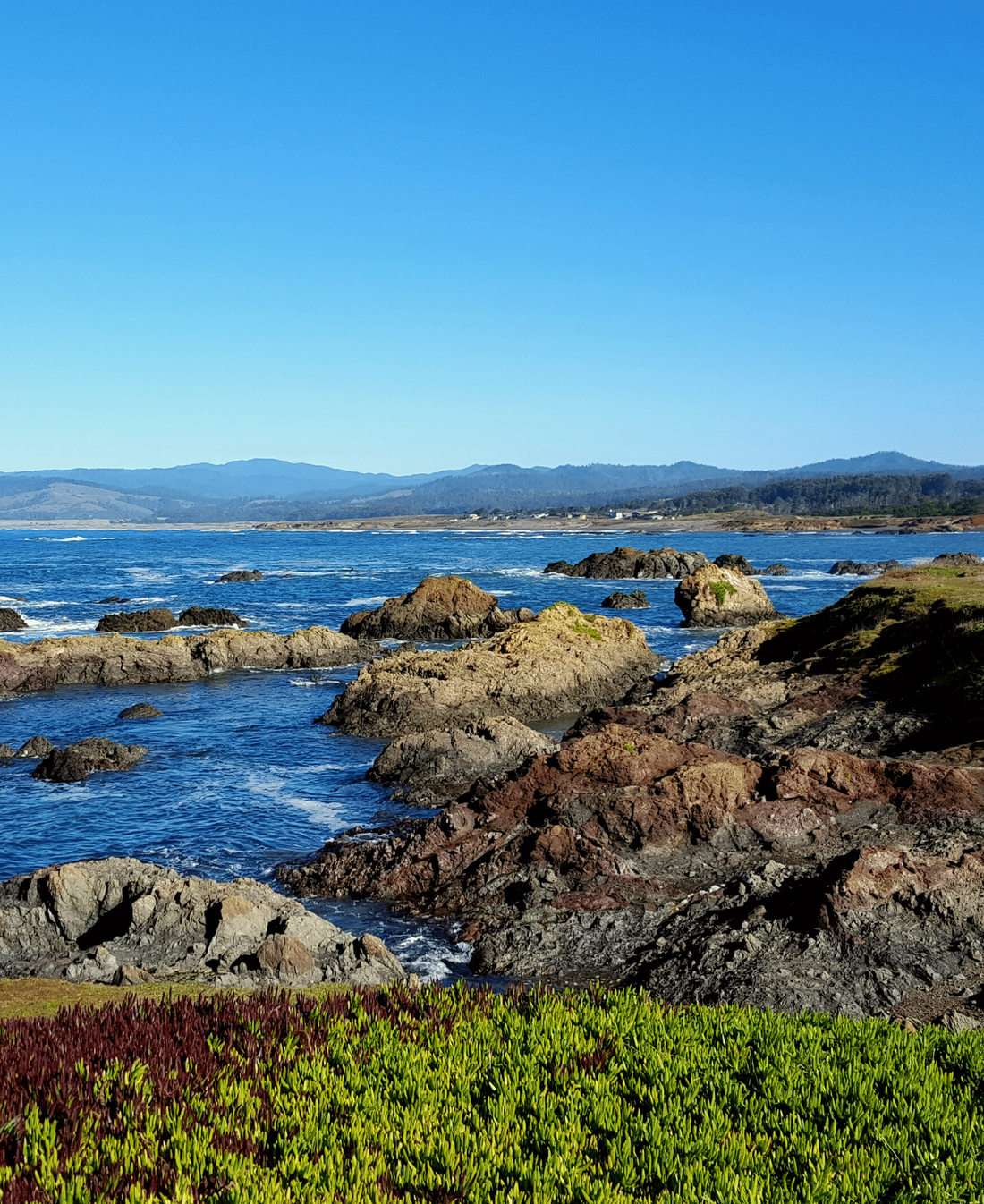
Forest on one side, ocean on the other — the exact environment the science describes.
You can’t always change the workload waiting at home. But you can give your nervous system the conditions the research points to — and few places offer them as naturally as this stretch of the Northern California coast.
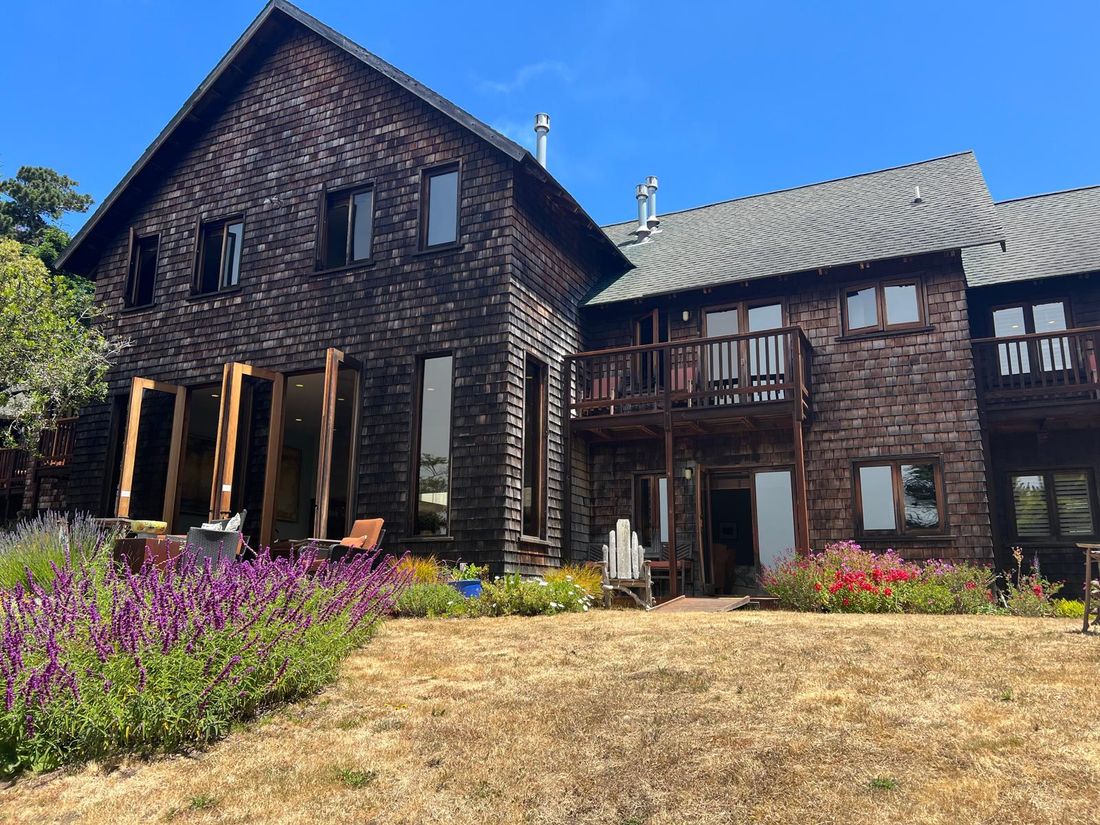
Brewery Gulch Inn sits on a redwood-cloaked bluff above the Pacific, a mile south of Mendocino village, with the forest on one side and the ocean on the other. That setting isn’t just scenery — it’s the environment the studies describe. The inn’s Shinrin-yoku experience is forest bathing by another name, slow guided time among the coastal woods, and the trails, the birdsong at the deck feeder, and the surf below at Smuggler’s Cove make “two hours a week in nature” effortless.
Around it, the days are designed for the nervous system to stand down: gentle yoga and restorative spa and massage treatments; nourishing, locally sourced meals you don’t have to plan or cook; an evening Wine Hour that asks nothing of you but to sit by the fire; and a quiet, low-signal remove from the always-on world. No agenda. No inbox. Just the conditions for rest to actually happen.
One honest word
A wellness retreat is a powerful reset — but it’s a reset, not a cure. If burnout has tipped into persistent depression or anxiety, a weekend away won’t be enough, and there is no shame in that; please reach out to a doctor or therapist for support. The research is also clear on one more thing: the biggest, longest-lasting gains go to the people who carry a few practices home — a daily walk outside, protected sleep, real time offline. Think of a retreat not as the whole answer, but as the reset button, and the place you remember what recovery actually feels like — so you can recognize it again.
Give yourself the reset
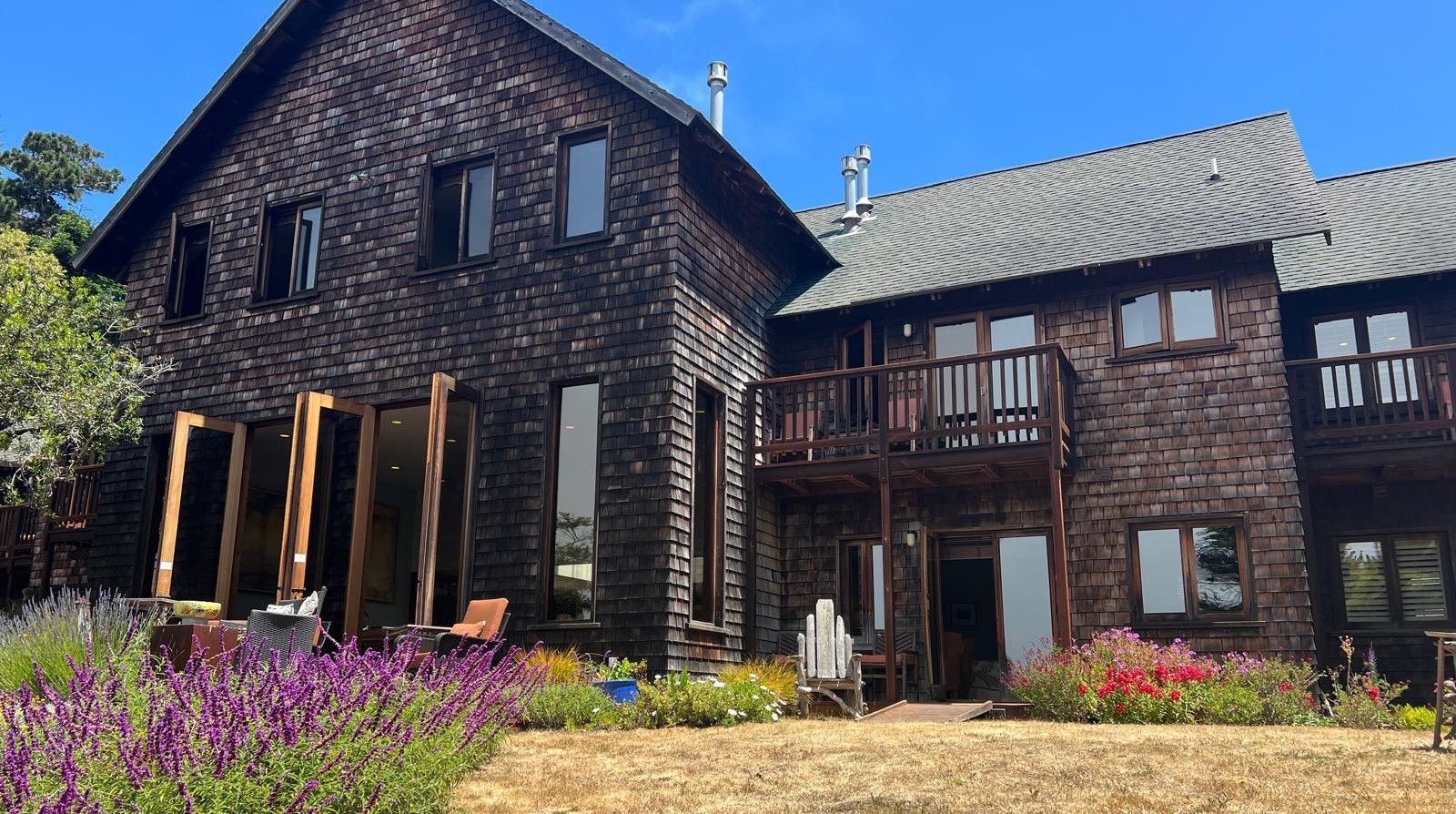
You spend your life making sure everyone else is taken care of. This is the trip where someone takes care of you.
Plan your wellness escape at Brewery Gulch Inn
explore our rooms and wellness offerings. Two hours a week in nature is the science. A few days on the Mendocino coast is the invitation.
Frequently asked questions
What is a wellness retreat, and how is it different from a vacation?
A wellness retreat is intentionally built around your well-being — nature, movement, rest, nourishing food, and time away from screens and demands — whereas a vacation centers on leisure and sightseeing. Research suggests the structured reset produces benefits that last longer than an ordinary trip.
Can a wellness retreat really help with burnout?
The evidence is encouraging: time in nature, forest bathing, better sleep, and stepping away from chronic stress genuinely lower stress hormones and improve well-being. A retreat won’t fix an overloaded job on its own, but it can reset your nervous system and rebuild resilience. Persistent burnout, depression, or anxiety also warrant professional support.
How long should a wellness retreat be?
Even a weekend helps. Much of the research on retreat outcomes focuses on stays of several days to a week, which gives more time for sleep, healthier rhythms, and nervous-system recovery to take hold.
Why is time in nature so important for stress?
Studies link at least two hours a week in nature to better health and well-being, and forest environments have been shown to measurably lower cortisol and calm the body’s fight-or-flight response.
Is Brewery Gulch Inn a good place for a solo reset?
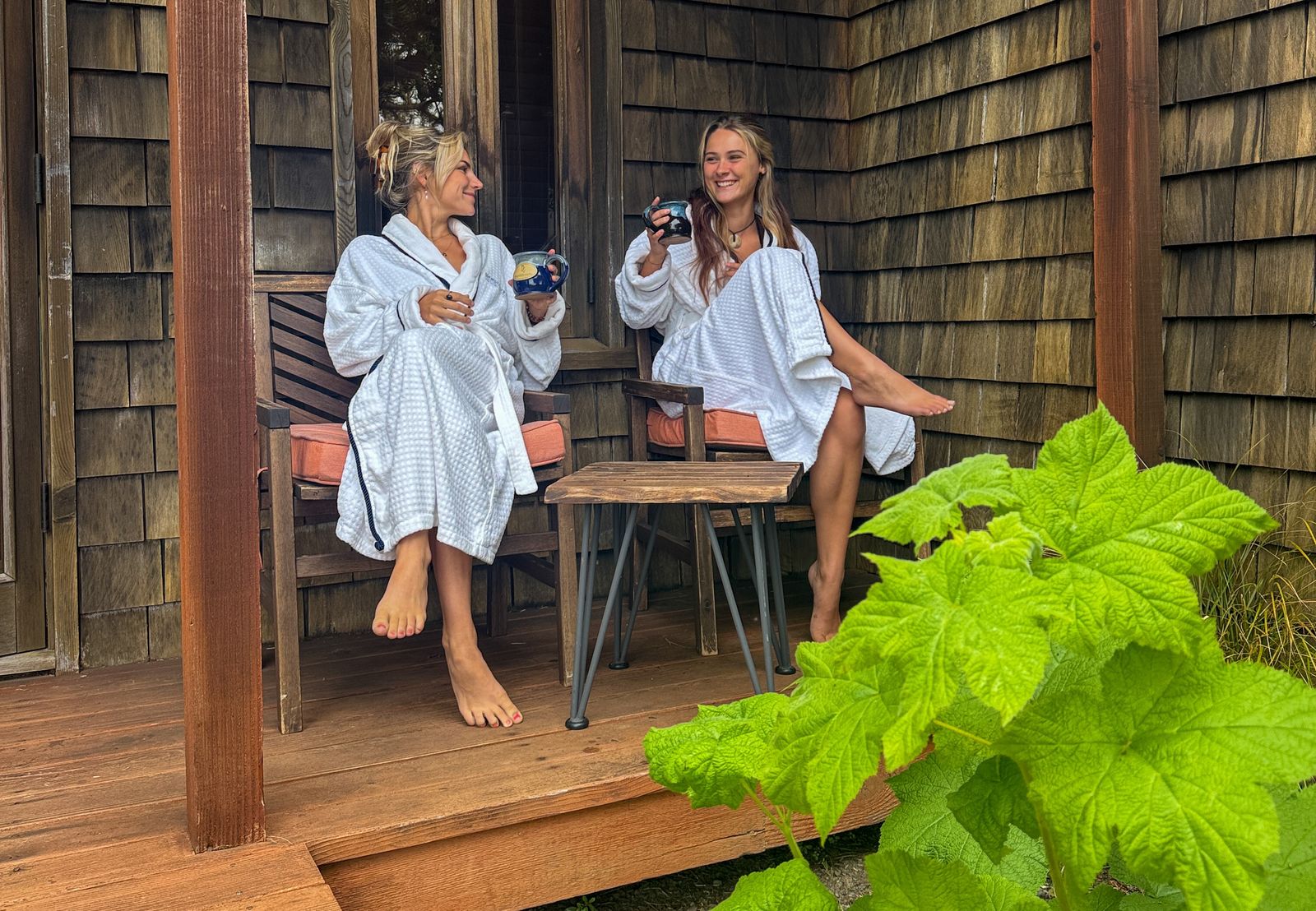
Yes. The quiet, the coastal-forest setting, and the inn’s Shinrin-yoku forest-bathing and spa offerings make it well suited to a restorative solo stay — as well as a girlfriends’ getaway.
How do I make the benefits last after I get home?
Keep one or two simple practices rather than trying to recreate the whole experience: a daily walk outdoors, protected sleep, and regular time offline. Small, sustainable habits outlast any single trip.
You can’t pour from an empty cup. Come let us fill yours.
Sources
A note on the science: the studies below are the basis for the claims in this article. Link each to its source when you publish.
World Health Organization (2019). Burn-out an “occupational phenomenon”: International Classification of Diseases.
Antonelli, M., Barbieri, G., & Donelli, D. (2019). Effects of forest bathing (shinrin-yoku) on levels of cortisol as a stress biomarker: a systematic review and meta-analysis. International Journal of Biometeorology, 63(8), 1117–1134.
White, M. P., Alcock, I., Grellier, J., et al. (2019). Spending at least 120 minutes a week in nature is associated with good health and wellbeing. Scientific Reports, 9, 7730.
Cohen, M. M., et al. (2017). Do Wellness Tourists Get Well? An Observational Study of Multiple Dimensions of Health and Well-Being After a Week-Long Retreat. Journal of Alternative and Complementary Medicine.
Epel, E. S., et al. (2016). Meditation and vacation effects have an impact on disease-associated molecular phenotypes. Translational Psychiatry, 6, e880.
Naidoo, D., Schembri, A., & Cohen, M. (2018). The health impact of residential retreats: a systematic review. BMC Complementary and Alternative Medicine, 18, 8.
Kaplan, R., & Kaplan, S. (1989). The Experience of Nature (Attention Restoration Theory); Ulrich, R. S., et al. (1991). Stress recovery during exposure to natural and urban environments (Stress Reduction Theory).